
Assisted living or a care home? How to choose
The real differences between a large assisted living community and a small residential care home in Arizona, who each one suits, and what to ask first.

Prime Care Placement
5 min read
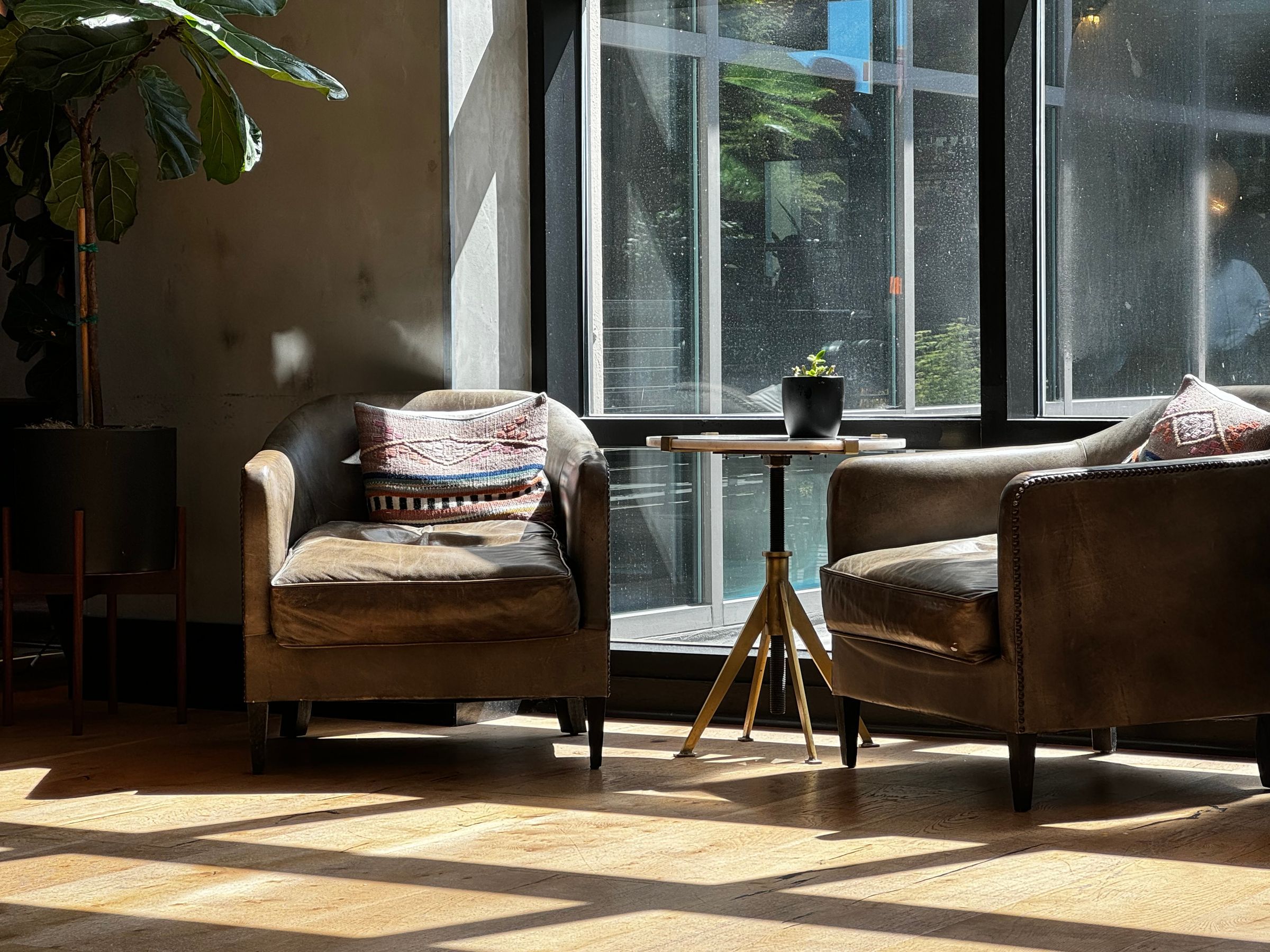
Most families start their search with the large assisted living communities they have driven past or seen advertised. Far fewer know that Arizona also has a great many small residential care homes: ordinary houses in ordinary neighborhoods, licensed to care for a handful of people. Both are assisted living under Arizona law, and both can be excellent. They suit different people. This guide explains the differences so you can tell which is likely to fit the person you’re helping.
Two kinds of assisted living, one license system
In Arizona, assisted living is licensed by the Arizona Department of Health Services (ADHS). The state draws one important line based on size:
- An assisted living home cares for ten or fewer residents. These are what people usually mean by a residential care home, group home or adult care home.
- An assisted living center cares for eleven or more residents. These are the larger communities.
Both types are licensed for a level of service. From least to most support, these are supervisory care, personal care and directed care. Directed care is for residents who can’t direct their own care, which usually means people living with dementia. Always check that a home or community is licensed for the level of care your loved one needs.
What a residential care home is like
A residential care home looks like the other houses on the street. Inside, residents usually have their own bedroom, or share one, and spend the day together in the living room and at the kitchen table. Caregivers are on site around the clock. Meals are cooked in the home.
What families tend to value:
- Attention. With only a few residents, caregivers know each person’s habits, moods and preferences closely.
- Calm. No long hallways, crowded dining rooms or busy lobbies. Many people living with dementia do better in a quiet, familiar space.
- Higher care needs. Many homes are set up for people who need a lot of hands-on help, including two-person transfers, and some support residents on hospice.
- Simpler pricing. Many homes charge one monthly rate covering room, meals and care.
What to weigh:
- Fewer activities and amenities. There may be no fitness room, library or scheduled outings.
- Fewer peers. A social, active person may find a small home too quiet.
- More variation in quality. Each home reflects its owner and its caregivers. The good ones are very good. This is why checking inspection records and visiting matters so much.
What a larger assisted living community is like
Assisted living centers are built for the purpose. Residents usually have a private apartment, often with a small kitchenette, and share dining rooms, lounges and outdoor spaces with many others.
What families tend to value:
- Social life. Daily activities, clubs, outings and plenty of people to meet.
- Amenities. Dining with choices, salons, fitness classes, transportation.
- Continuity. Many communities also offer memory care, sometimes on the same campus, so a resident may not have to move far if needs change.
- Staff depth. A larger team, often including a nurse during the day.
What to weigh:
- Less individual attention. A caregiver may be responsible for more residents, especially at night.
- Pricing complexity. Care levels and add-on fees make the true cost harder to pin down.
- Scale. Long walks to the dining room and busy common areas can overwhelm some people.
Who tends to do well where
There are no fixed rules, but some patterns are worth knowing.
A residential care home is often a good fit for someone who:
- Needs a lot of hands-on help, day and night
- Is living with dementia and gets anxious in busy places
- Is frail, on hospice, or recovering slowly
- Prefers a quiet, home-like routine
A larger community is often a good fit for someone who:
- Is still fairly independent and wants company and things to do
- Would enjoy dining choices and activities
- Is part of a couple with different needs
- May need memory care later and wants to avoid a second move
How to check a home or community
Whichever direction you lean, do this for every place on your list.
- Look up the license and inspection history on AZ Care Check, the ADHS public database. Read the actual findings, not just whether there were any. Ask how problems were fixed.
- Ask who is awake overnight, and how many residents they look after.
- Ask about staff tenure. In a small home, ask how long the main caregivers and the manager have been there.
- Visit at a meal time. It shows you the food, the pace and how people get along.
Good to know: A spotless inspection record isn’t the only thing that matters, and one citation isn’t always a reason to rule a place out. What matters is the kind of problem, whether it was fixed, and whether it has happened again.
Common questions
Is a residential care home the same as a group home?
People often use the words that way. In Arizona, a residential care home for seniors is usually licensed by ADHS as an assisted living home for 10 or fewer residents. Check the license on AZ Care Check rather than going by the name.
Can a residential care home care for someone with dementia?
Some can. A home needs a directed care license to care for residents who can’t direct their own care. Ask which license the home holds and how they handle wandering and nighttime needs.
Is there a nurse on site?
Usually not around the clock, in either setting. Most homes and communities rely on caregivers, with nurses visiting or on call, and residents keep their own doctors. Ask exactly who does what, and who decides when to call for medical help.
What happens if needs increase after the move?
Ask before you choose. Some places can add care up to a point and some can’t, which can mean a second move. A home or community licensed for directed care, or memory care in the Phoenix area, may be the next step.
How we can help
We know the residential care homes in the Phoenix area and the larger communities across the Valley, and we can tell you which kind is likely to suit them before you spend a weekend touring. We check licenses and inspection records, ask the questions above for you, and can arrange visits to both kinds so you can feel the difference yourself. Start a conversation and we’ll help you narrow it down.
This guide is general information, not legal, medical or financial advice. Rules and programs change, so confirm details with the agency or a qualified professional before you act.